
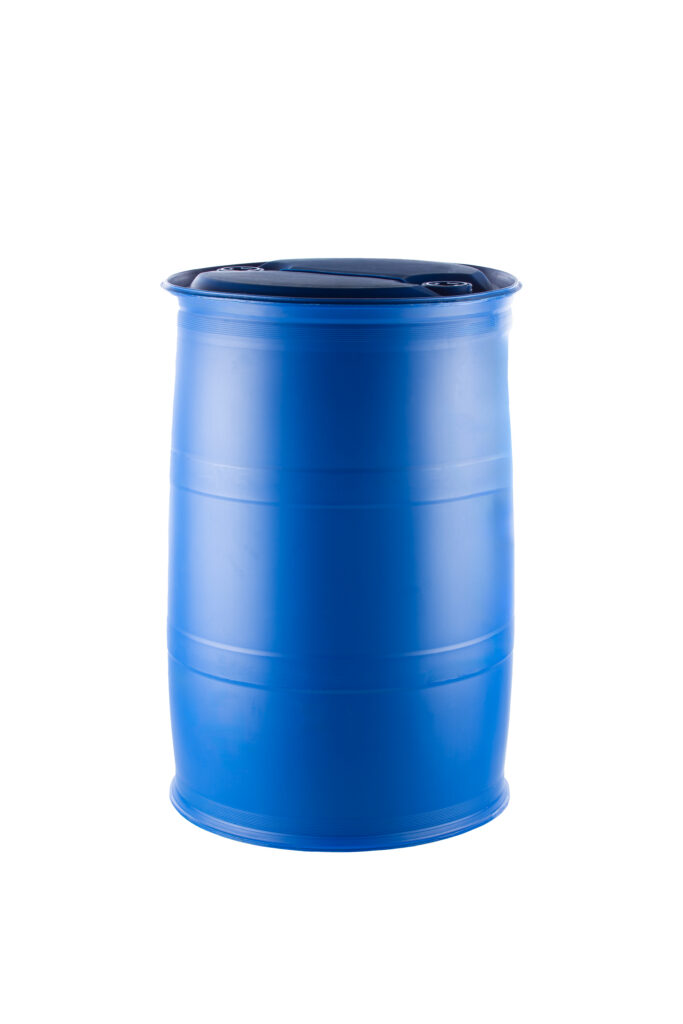
Plastic / HDPE Drums
Our reconditioned HDPE drum range includes Open Top and Tight Head configurations.
Explore Plastic Drums
02 Industrial Container Reconditioning & Recycling
Used and empty industrial containers still need to go somewhere, and the appropriate next step depends on the container, its condition and your operational requirement.
We connect collection, cleaning, reconditioning, reuse or resale, and recycling or recovery within one practical industrial container lifecycle.
The result is a clearer way to manage what happens next.
Operating heritage since 1988
Malaysia-based operations
01 The Operational Requirement
Industrial containers can reach different points in their usable lifecycle.
Some may be suitable for cleaning and reconditioning. Some may continue towards reuse or resale. Others may require an appropriate recycling or recovery route.
What matters is identifying the relevant pathway rather than treating every container in exactly the same way.
We help industrial businesses manage this requirement as a connected process rather than approaching the container only as an isolated purchase, disposal or recycling transaction.
Decision principleThe appropriate pathway depends on the actual container, its condition and the requirement.
02 Multi-Container Capability
Our industrial container capability covers multiple container families rather than a single format.
Our reconditioned HDPE drum range includes Open Top and Tight Head configurations.
Explore Plastic Drums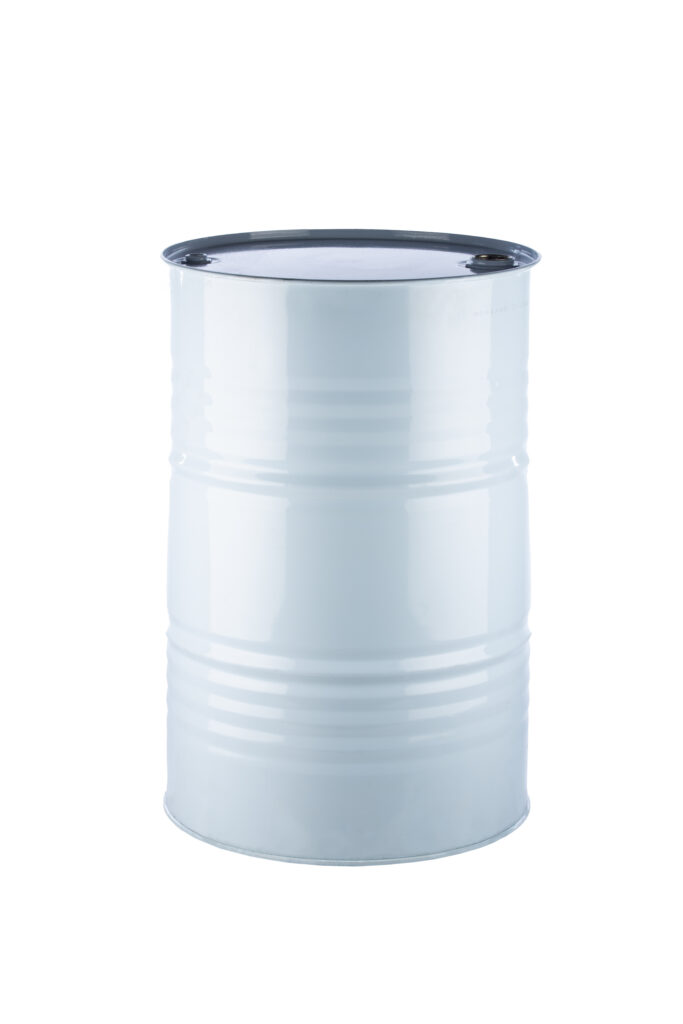
Our reconditioned steel drum range includes Tight Head and Open Top configurations.
Explore Steel DrumsPoly-composite drum options are available within our broader Reconditioned Drums range.
Explore Reconditioned Drums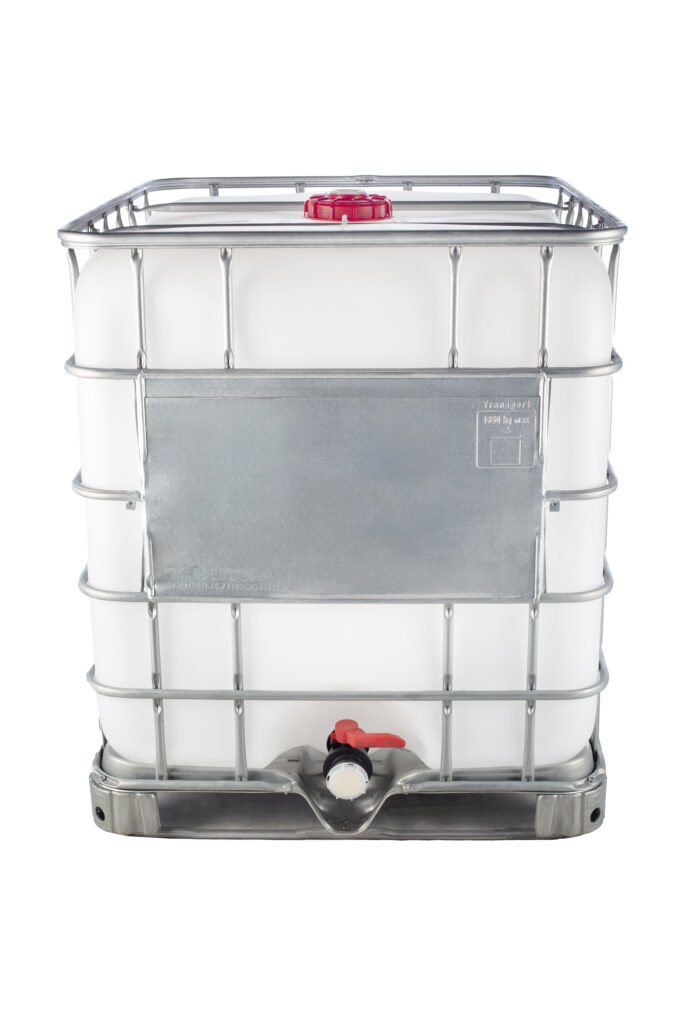
Our range includes a Reconditioned IBC Tote Tank 1000L, with dimensions, pallet, valve and other technical information available on the dedicated product page.
Explore Reconditioned IBCs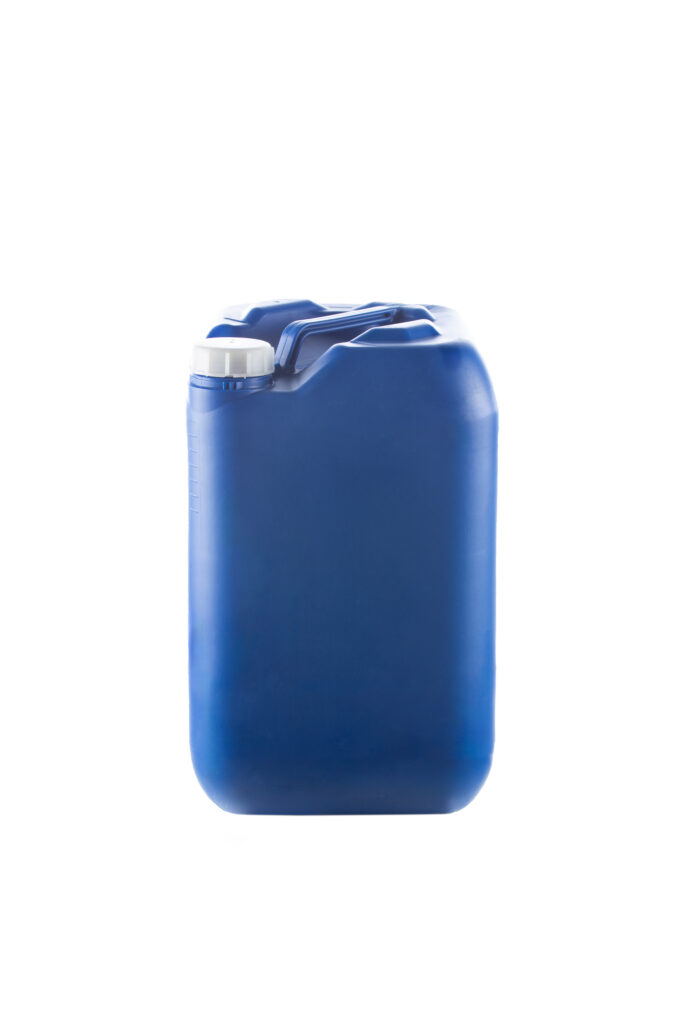
Our reconditioned Jerrycan / Carboy range includes 20L, 25L and 30L formats.
Explore Reconditioned Jerrycans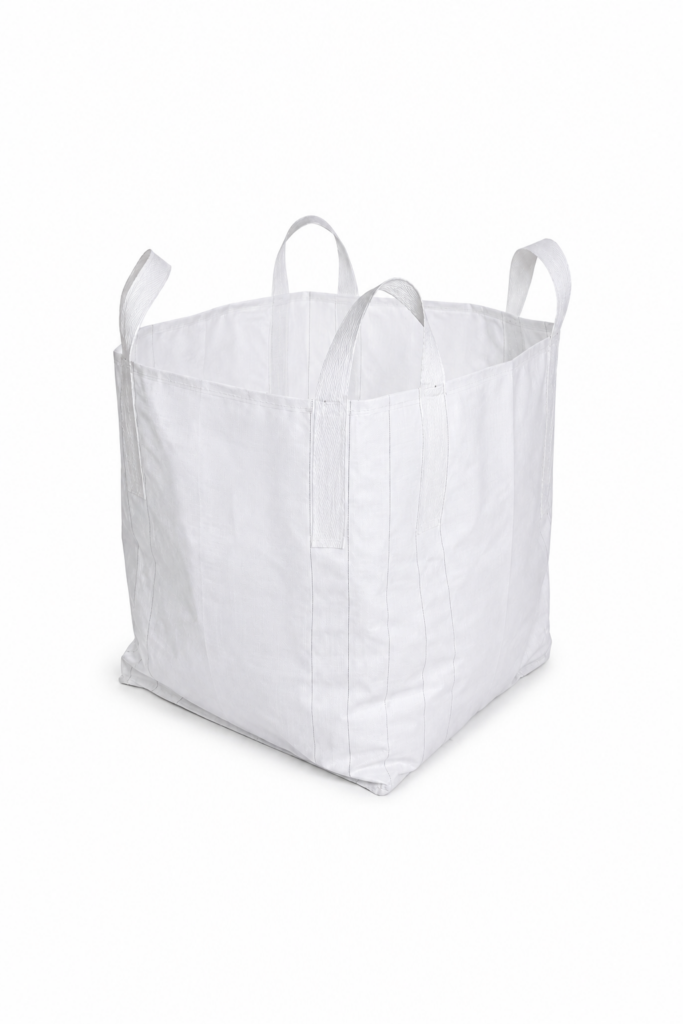
We offer Reconditioned Jumbo Bags for defined industrial requirements. Share the technical information you already have so we can discuss the requirement in context.
Explore Jumbo Bags03 The Container Lifecycle
Our industrial container lifecycle connects five stages.
Not every container will pass through every stage, and no single outcome applies universally.
Collection
Where applicable, we collect relevant used or empty industrial containers and bring them into the appropriate handling process based on the actual requirement.
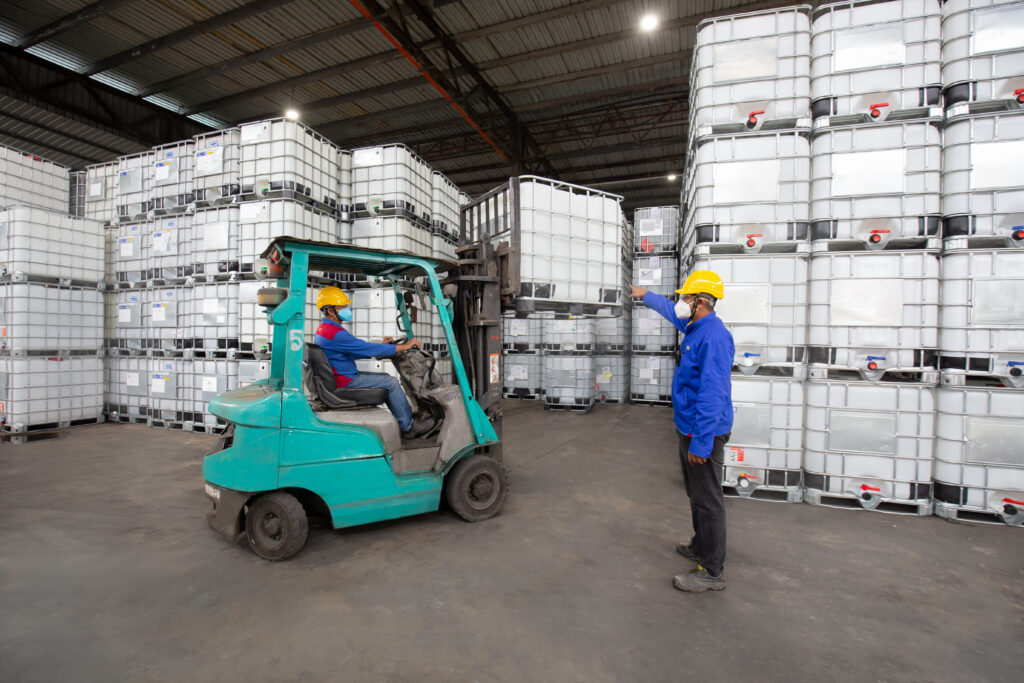

Cleaning
Containers are cleaned as required before moving to the next applicable handling decision or process stage.
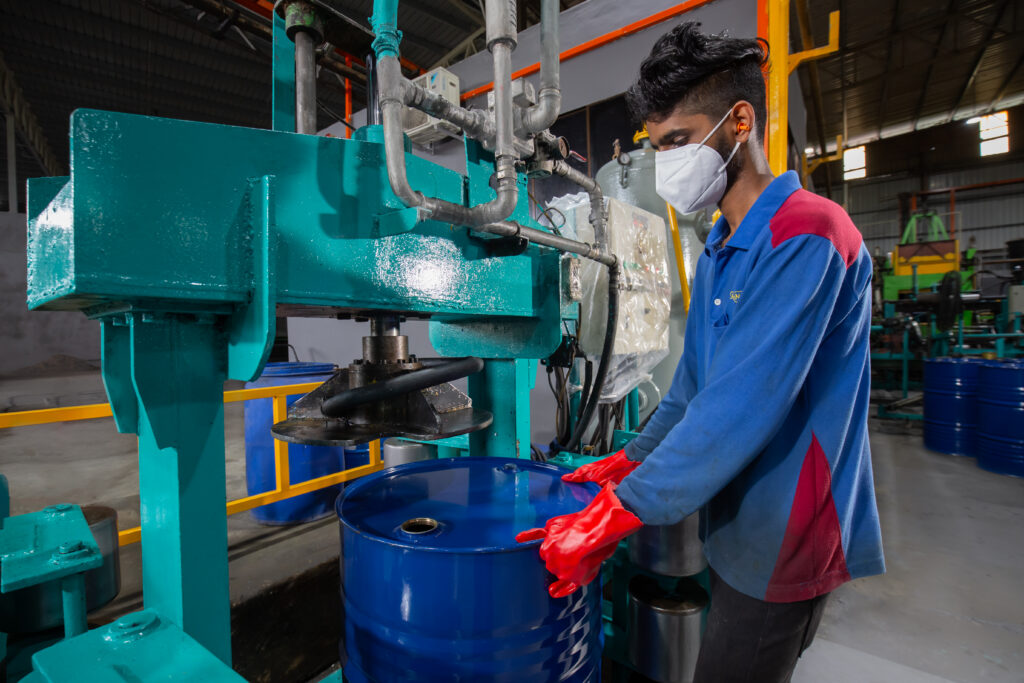
Reconditioning
Where appropriate, industrial containers can move through reconditioning so they can continue towards another productive use rather than being treated as automatically disposable.
Explore Reconditioned ContainersReuse / Resale
Where the container and requirement support it, a reconditioned container can move towards reuse or resale as part of its next lifecycle stage.
This is practical industrial circularity: keeping suitable containers useful for longer where continued use remains appropriate.
Recycling / Recovery
When continued use is not the appropriate pathway, containers or materials may move towards applicable recycling or recovery activities.
Collection → Cleaning → Reconditioning → Reuse / Resale → Recycling / Recovery
04 Choosing the Appropriate Pathway
Route A / Reconditioning
Reconditioning helps extend the usable life of suitable industrial containers.
It can prepare an existing container for another stage of productive use instead of assuming that its first use must also be its last.
Route B / Recycling / Recovery
Recycling or recovery provides a different next-stage pathway for applicable containers or materials where continued use is not appropriate.
The objective is not to maximise one pathway at the expense of another. It is to handle the requirement according to the actual container and the appropriate next step.
05 From Lifecycle Requirement to Product Requirement
Some businesses arrive with containers that need an appropriate next step.
Others need reconditioned industrial containers for their operation.
Some may need to discuss both.
Our lifecycle approach connects these requirements instead of treating used-container handling and reconditioned-container sourcing as completely separate activities.
06 Operational Value
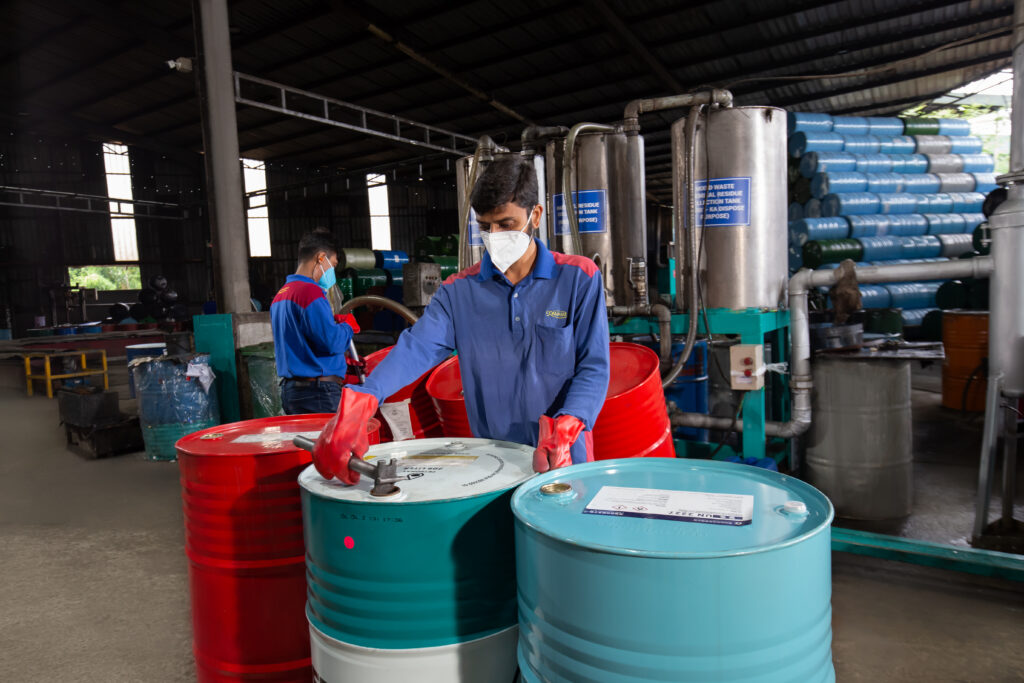
Collection, cleaning, reconditioning and appropriate next-use decisions can be understood as stages of one industrial container lifecycle rather than unrelated activities.
The process starts with the actual container and requirement rather than a predetermined outcome.
We work across multiple industrial container formats, allowing a wider range of container requirements to sit within the same industrial capability.
Responsible circularity becomes practical when suitable containers remain useful for longer and materials move towards recycling or recovery when continued use is no longer appropriate.

07 Related Specialist Capability
Industrial container requirements and Scheduled Waste requirements are not automatically the same.
Where Scheduled Waste is involved, we provide a separate Scheduled Waste Collection service within the applicable licensed scope.
That service has its own regulatory context, supporting evidence and enquiry requirements.

08 Operating Proof
Our industrial container lifecycle capability is supported by operating heritage, real operations and relevant certifications and licences.
Selected evidence can be reviewed directly, with further certification and licence details available on the Certifications & Licences page.
Based in Malaysia, we currently serve Malaysia and other countries across Asia.
View Certifications & Licences09 Before You Enquire
You do not need to determine the complete lifecycle pathway before contacting us.
Share the information you already have so the conversation can begin with the right context.
What container format is involved?
What quantity or approximate volume needs to be discussed?
What is currently known about the containers?
Where is the requirement located?
Are you enquiring about collection, reconditioning, recycling / recovery, reconditioned containers or a combination?
Include any other information that may help us understand the requirement.
10 Common Questions
We work across plastic / HDPE drums, steel drums, poly-composite drums, IBCs, Jerrycans / Carboys and Jumbo Bags. You can review our current reconditioned product families in the Products section of the website.
The appropriate pathway depends on the actual container and requirement. Our lifecycle covers collection, cleaning, reconditioning, reuse or resale, and recycling or recovery. Not every container will pass through every stage.
Reconditioning supports the continued productive use of suitable containers. Recycling or recovery represents a different pathway where continued container use is no longer the appropriate next step.
No. Reconditioning is appropriate only where the container and requirement support that pathway. We do not treat every collected container as automatically reusable or suitable for reconditioning.
Yes. If your requirement involves containers that need an appropriate next step, reconditioned containers for your operation, or both, share the available details so the requirement can be considered in context.
Start with the container type, quantity, condition where known, location and the service or product requirement. Include any additional technical information you already have.
11 Your Container Requirement
Whether you have industrial containers to manage, require reconditioned containers or need to discuss both sides of the lifecycle, start with the requirement.
Share the relevant information and we can use that context to understand the appropriate next step.
Reliability That Moves Industry Forward.